

What to Look for in Boutique Clothing: 2026 Guide
Table of Contents
- Start With the Label: How to Identify Quality Clothing Before You Buy
- Boutique vs Retail Store Quality: What Actually Changes
- Fit and Silhouette: Sizing Checks That Save You Return Shipping
- Ethical Sourcing and Sustainable Fashion Markers to Verify
- How to Build a Capsule Wardrobe With Boutique Items
- Post-Purchase Care: Making Boutique Clothing Last
- Fabric Durability: How to Tell If Boutique Clothing Will Last
- Conclusion: Your Boutique Clothing Checklist
- Frequently Asked Questions
Last Updated: October 4, 2026
Start With the Label: How to Identify Quality Clothing Before You Buy
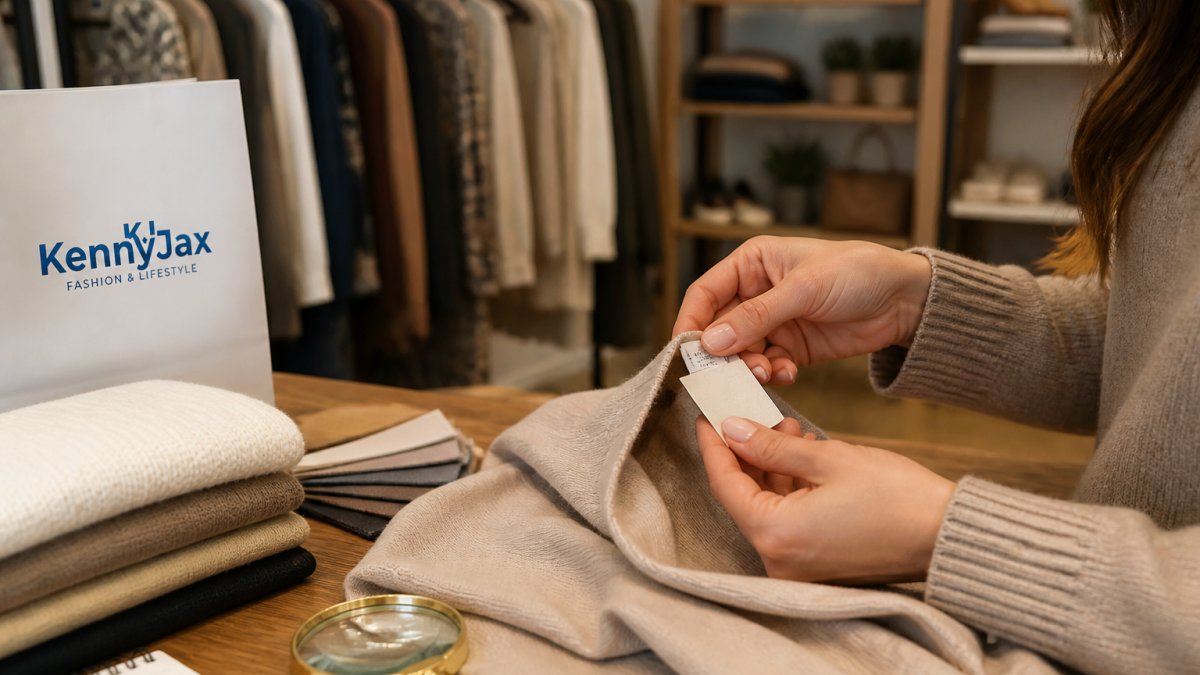
Spotting quality boutique clothing starts at the tag, not the price. At KennyJax, we handpick every piece, so here is what we check first.
Fabric composition is the best predictor of how a garment will feel and last.
Read the Fabric Composition First
Natural fibers like cotton, linen, wool, and silk breathe better and age more gracefully than synthetics.
But blends are not automatically bad: elastane adds stretch and polyester resists wrinkles. Know which fiber does the work.
- Cotton and linen: breathable, great for warm weather
- Wool and cashmere: warm, hold shape well
- Silk: lightweight, drapes beautifully
Federal Trade Commission guidance on textile fiber labeling requires brands to list fiber content by percentage, so the tag is a reliable source.
Check Stitching Integrity and Seam Finishing
Stitching integrity tells you whether a garment will survive real life. Look for even, tight stitches with no loose threads or skipped sections.
Turn it inside out: a well-finished seam is clean and flat, with neat serged edges rather than frayed ones. Better garments often use French seams or bound edges that hide raw fabric.
Boutique vs Retail Store Quality: What Actually Changes
Boutique vs retail store quality comes down to curation: a boutique buys small batches for a specific customer, a big retailer buys in bulk for everyone.
Curated Inventory and Exclusive Designs
Curated inventory means someone chose each piece on purpose. Instead of thousands of near-identical items, you see a tighter, more intentional collection.
Exclusive designs are another marker: small boutiques often carry labels you will not find in a mall.
Retail Markup and the Price-to-Value Question
Retail markup confuses shoppers: a higher price does not always mean higher quality, sometimes just a bigger brand name. Separate the cost of the garment from the cost of the story around it.
A boutique price is built from four buckets. Knowing which bucket is doing the work tells you whether the price is justified:
- Materials. Natural fibers, tighter weaves, and better hardware cost more at wholesale. A wool coat and a polyester coat can look identical on a hanger and differ by a factor of five in fabric cost.
- Labor and construction. French seams, bound edges, and reinforced stress points take more machine time. That time is paid for somewhere.
- Batch size. A boutique ordering 40 units pays a higher per-unit cost than a chain ordering 40,000. Small runs are a real cost, not a marketing line.
The first three buckets justify a higher price. The fourth does not. When you pick up a piece, ask which bucket the price is coming from.
| What to Check | Cheap Garment | Quality Garment |
|---|---|---|
| Fabric | Mostly synthetic, thin | Natural fibers or smart blends |
| Stitching | Loose, uneven | Even, reinforced |
| Lining | None or glued | Full, stitched |
| Buttons and zippers | Plastic, flimsy | Metal or sturdy hardware |
| Price vs. wear | Low cost, few wears | Higher cost, many wears |
Cost Per Wear: The Only Math That Matters
Cost per wear is the price divided by the times you actually wear the piece. A $120 jacket worn twice a week for two years costs roughly a dollar per wear; a $25 jacket worn three times costs over eight dollars per wear.
Shoppers who track this regret the cheap pieces they never reached for, not the ones they paid most for. Estimate your realistic wears over the next twelve months; if the number is under ten, the price is rarely justified.
When a Higher Price Is Not Worth It
Boutique pricing is not automatically fair pricing. Watch for these patterns:
- A designer name on a garment with thin fabric and plastic hardware
- "Limited edition" language with no explanation of what makes the run limited
- Prices that jump after a piece trends on social media, with no change to the garment
A boutique worth buying from lets you inspect the seams, ask where the fabric came from, and return the piece if it does not work. If any of those three are missing, the price is doing more work than the product.
Fit and Silhouette: Sizing Checks That Save You Return Shipping
Fit and silhouette decide whether you actually wear a piece. Sizing varies wildly between brands, so never assume your usual size will work.
Check the size chart before you buy: measure your bust, waist, and hips, then compare.
A good boutique will list exact measurements, not just S, M, L.
Look at how the garment is cut. A flattering silhouette follows your shape without pulling.
Ethical Sourcing and Sustainable Fashion Markers to Verify
Sustainable fashion claims are everywhere, so verify them. Real markers are specific and checkable by someone outside the company; vague ones are marketing.
What the Common Certifications Actually Verify
Certification logos are only useful if you know what sits behind them. The ones you will see most on boutique tags:
- GOTS (Global Organic Textile Standard). Covers the full supply chain for organic fiber, from harvest through finished garment. It sets requirements for chemical use, wastewater treatment, and social criteria at processing facilities. If a tag says "organic cotton" without GOTS or a comparable standard, the claim is unverified.
- OEKO-TEX Standard 100. Tests the finished fabric or garment for harmful substances, things like heavy metals, formaldehyde, and certain dyes. It is a safety standard, not an organic or labor standard. A garment can be OEKO-TEX certified and still be made from conventional cotton.
- OEKO-TEX Made in Green. Combines the chemical-safety testing above with a verified production process that meets social and environmental criteria. This is the stronger of the two OEKO-TEX labels.
OEKO-TEX standard for testing harmful substances in textiles is a good one to know. It means the fabric was tested for harmful chemicals. But notice what it does not cover, that is the point of reading the fine print.
Elegant Lantern Sleeve Mini Dress →
How to Audit a Brand's Supply Chain Claims
A brand serious about sourcing makes it easy to check; one that is not keeps details vague. A five-minute audit:
- Look for a named factory or region. "Made in Portugal" is a start. "Made in a family-run mill outside Porto" is a claim you can verify. The more specific the location, the more likely it is real.
- Check whether the brand publishes a supplier list. Some do, some do not. A published list is a strong signal because it is hard to fake and easy to cross-check.
- Search the certification number. GOTS and OEKO-TEX certifications have lookup tools. If the number on the tag does not return a match, the label is decorative.
- Read the care and repair page. Brands that expect a garment to last offer repair guidance, spare buttons, or a take-back program. Brands that expect it to be replaced do not.
- Look for a stated material goal with a date. "100% organic cotton by 2027" is a commitment. "Committed to sustainability" is not.
If a brand says "eco-friendly" with no detail, treat it as a guess. Ethical sourcing should be easy to check, not buried.
The Trade-Offs Nobody Mentions
Ethical production costs more, and that cost lands on the tag. A GOTS-certified organic cotton tee typically runs higher than a conventional one at the same weight, because certified fiber, audited processing, and traceable shipping all add cost, the real price of a verified supply chain, not a markup trick.
The honest trade-off: fewer pieces at a higher price, or more at a lower one. Neither is wrong, but a boutique transparent about sourcing will also be transparent about pricing. If the two stories do not match, trust the price tag over the marketing copy.
What to Ask Before You Buy
Shopping in person, ask three questions: Where was this made? What is it made of, by percentage? Is there a certification number I can look up? A boutique that knows its inventory answers all three without checking a screen. One that cannot is selling you a look, not a supply chain.
How to Build a Capsule Wardrobe With Boutique Items
A capsule wardrobe is a small set of versatile pieces you mix and match. Building one with boutique items works well because each piece is chosen with care.
Start with a plan, not a shopping spree.
Start With Wardrobe Staples, Add Seasonal Trends Later
Wardrobe staples come first. These are the pieces you reach for again and again:
- A well-fitted pair of jeans or trousers
- A neutral blouse or button-down
- A versatile dress that works day or night
- A structured jacket or cardigan
- One pair of quality shoes
Once your staples are set, add seasonal trends to stay current without wasting money on pieces you will not wear.
Our Elegant Lantern Sleeve Mini Dress is a great staple. The A-line silhouette flatters most frames, and the premium polyester blend holds its shape. Pair it with our Women's Corduroy Mid-Calf Boots for a look that works from day to evening.

Post-Purchase Care: Making Boutique Clothing Last
Garment care decides how long your clothes last. A quality piece can look new for years if you treat it right.
Read the care label every time. Then follow these habits:
- Wash in cold water to protect fibers and color
- Turn garments inside out before washing
- Air dry when you can, since heat breaks down fabric
American Cleaning Institute guide to caring for fabrics notes that cold-water washing helps clothes last longer and saves energy.
For our Women's Boho Chiffon Ruffled Top, the polyester blend resists wrinkles and holds its shape through repeated wear.

Fabric Durability: How to Tell If Boutique Clothing Will Last
Textile durability is about how a fabric holds up over time. Test it before you buy with a few simple checks.
- The stretch test: pull the fabric gently. Good fabric springs back.
- The rub test: rub the fabric between your fingers. If pills form, it will wear fast.
- The light test: hold it to light. If you can see through it easily, it is thin.
Material composition matters too: tightly woven cotton and wool blends resist wear better than loose knits. A garment that feels thin and stiff will likely pill or tear.
Conclusion: Your Boutique Clothing Checklist
Shopping well takes practice, but the payoff is a wardrobe you actually love.
At KennyJax, we make that easier. Every item is handpicked and approved by our owner, and we are a family-owned shop that cares about what we sell.
Ready to refresh your wardrobe with pieces chosen for quality? Browse our Women's Bohemian Dress and the rest of our curated collection.

Frequently Asked Questions
What should you check for when shopping for boutique apparel online?
Start with the fabric composition listed on the product page. A high percentage of natural fibers like cotton, linen, or wool usually signals better breathability and durability. Next, look for close-up photos of stitching, seams, and hardware. Check the return policy details, including who pays return shipping and how long refunds take. Finally, read sizing charts carefully and compare measurements to a garment you already own and love.
How can you tell if a piece of clothing is high quality?
Three quick checks work for boutique clothing in person or online. First, fabric weight: thin, sheer material that wrinkles easily often wears out fast. Second, stitching: even, tight seams with no loose threads indicate better garment construction. Third, fit and silhouette: a well-cut piece drapes smoothly without pulling at the shoulders or waist. If a product page shows all three clearly, that is a good sign the brand stands behind its quality.
What is the difference between a retail store and a boutique?
A retail store typically carries large volumes of mass-produced items across many brands, while a boutique focuses on a curated collection of fewer pieces. Boutiques often handpick inventory, which means more exclusive designs and personalized service. The trade-off is that boutiques may have limited stock in each style. When comparing boutique vs retail store quality, look at fabric composition, stitching, and whether the store owner can tell you where the garment was made.
Why is fabric composition important in boutique clothing?
Fabric composition tells you how a garment will feel, wash, and hold up over time. A polyester blend with a bit of stretch, like the Elegant Lantern Sleeve Mini Dress from KennyJax, offers structure and comfort without losing shape. Natural fibers breathe better but may wrinkle more. Checking the label before you buy helps you avoid pieces that pill, fade, or lose their fit after a few washes, which is a common complaint with lower-quality boutique clothing.